CLP Colour Fundamentals
ABC Pathways
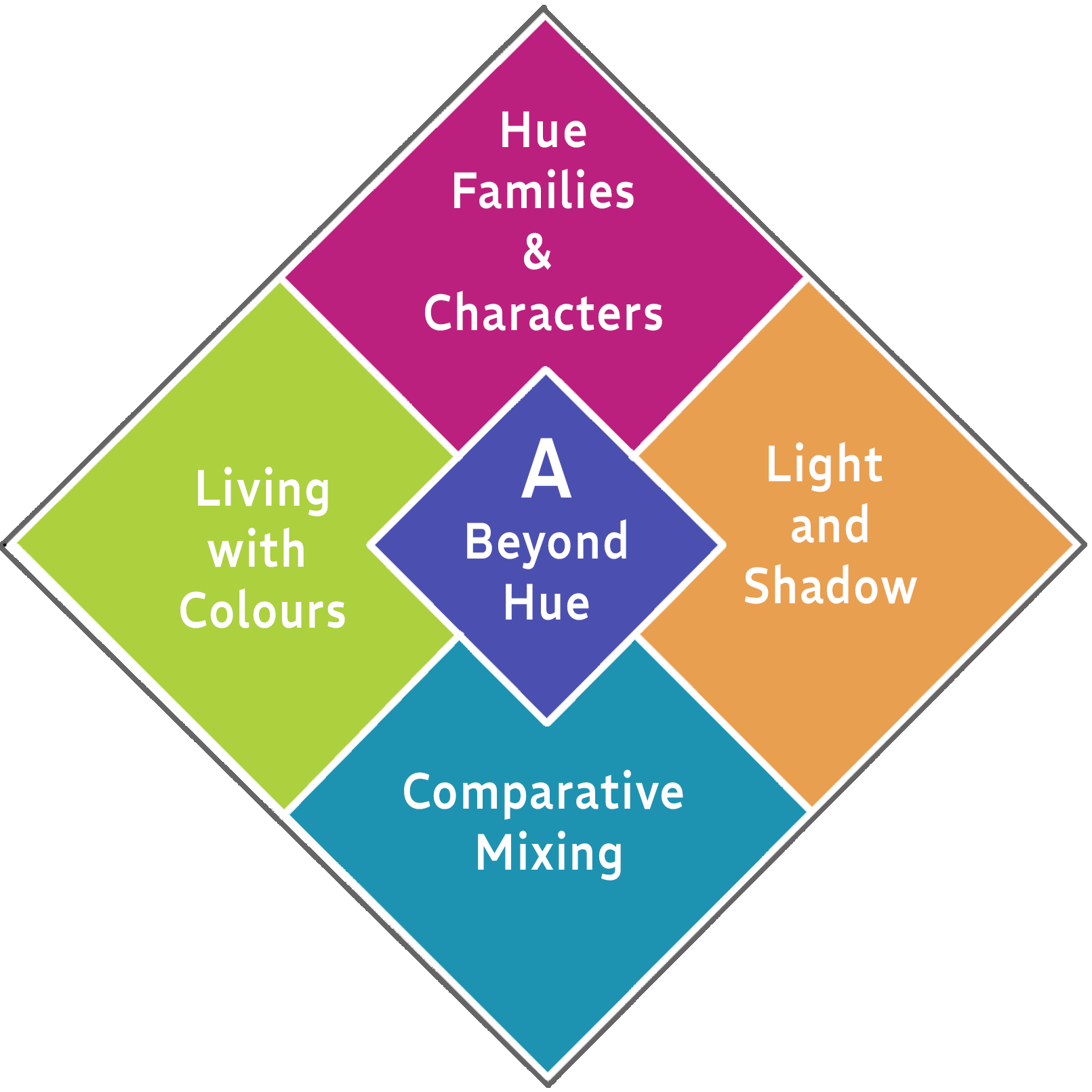
The 2026 beta-test pathways explore CLP fundamental concepts. Each pathway includes four cornerstone clusters.
All the exercises are designed to expand beyond traditional colour theory concepts, increase awareness of the roles colours play in our lives and connect colour and light.
Each cluster includes key hands-on exercises to beta-test with your students and provide feedback. In addition to the key exercises, there are optional supplementary exercises that can be done in class or at home to help reinforce the concepts.
PATHWAY A
Beyond Hue
This introductory pathway is designed to improve colour observation skills, and create a richer understanding and vocabulary of colour.
“Hue” is just one aspect of colour - it is what we typically think of as "colour" in everyday life. Instead of just recognizing a colour as “red,” expanding beyond hue includes observing how light or dark that red is, how intense or muted it appears, and whether it leans toward one or the other of its neighboring hues.
Expanding beyond hue also includes noticing how the appearance of colours changes in different lighting conditions and transitioning from 2D colour wheels to simple 3D colour models.
The hands-on exercises below are focused on developing skills for seeing and describing colour in more detail. Key exercises are bolded. Supplementary exercises are italicized. All the exercises explore the theme of expanding Beyond Hue. They can be connected in many ways depending on time and resources available.

Colour is an essential part of our lives.
Our personal responses to colour are complex.
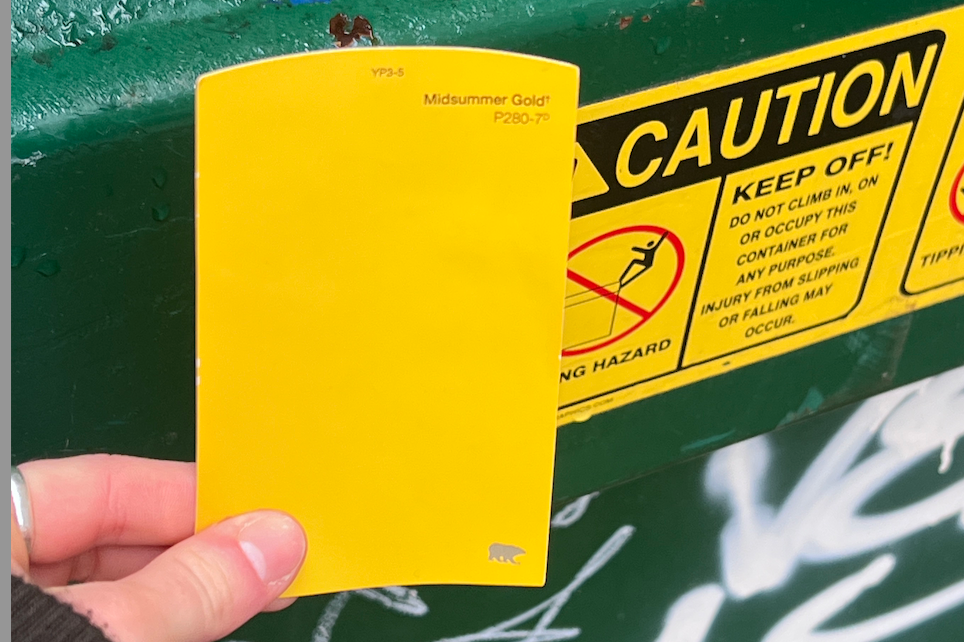
Swatch Safari
Scavenger Hunt

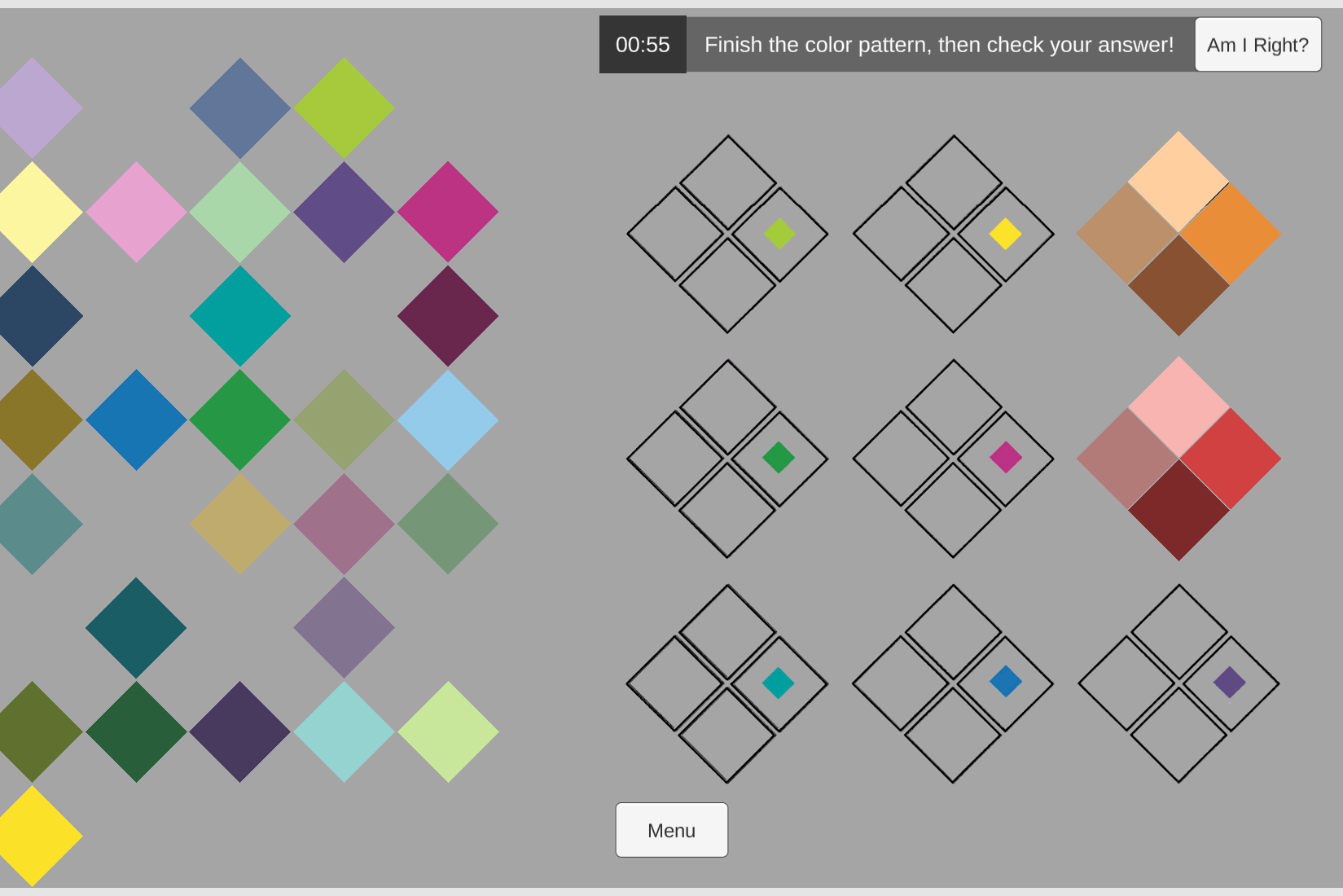
Colours can be described by their hue family and character.
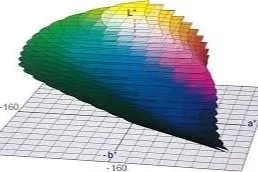
Colour organization is 3D.
Free Sort
Hue Families Sort


Light is key for colour.
Colour is a perceptual experience.
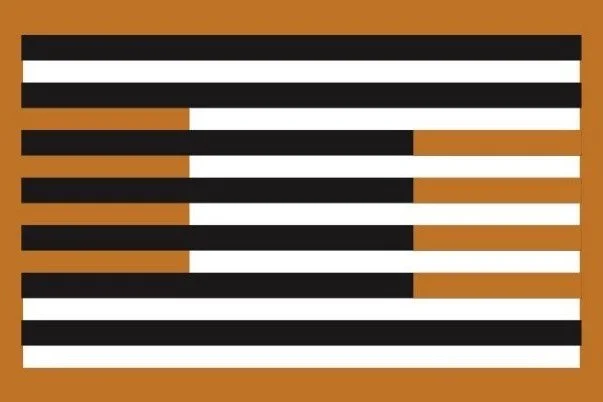
Colours are contextual.
Lights On and Off
Orange Cube


Colour character communicates more than hue.
Mixing results depend on the process.
Mood Clock
Mixing Hue Variations
PATHWAY B
Colour in Context
This intermediate pathway is focused on observing the effects of context on the appearance of colour and introduces the concept of Colour Character and Colour Associations as useful tools for communicating with colour.
The role our Visual System - the eye and the brain - in colour perception is explored in more depth.
The hands-on exercises below are focused on developing skills for seeing and describing colour in more detail. Key exercises are bolded. Supplementary exercises are italicized. All the exercises explore the theme of Colour in Context. They can be connected in many ways depending on time and resources available.

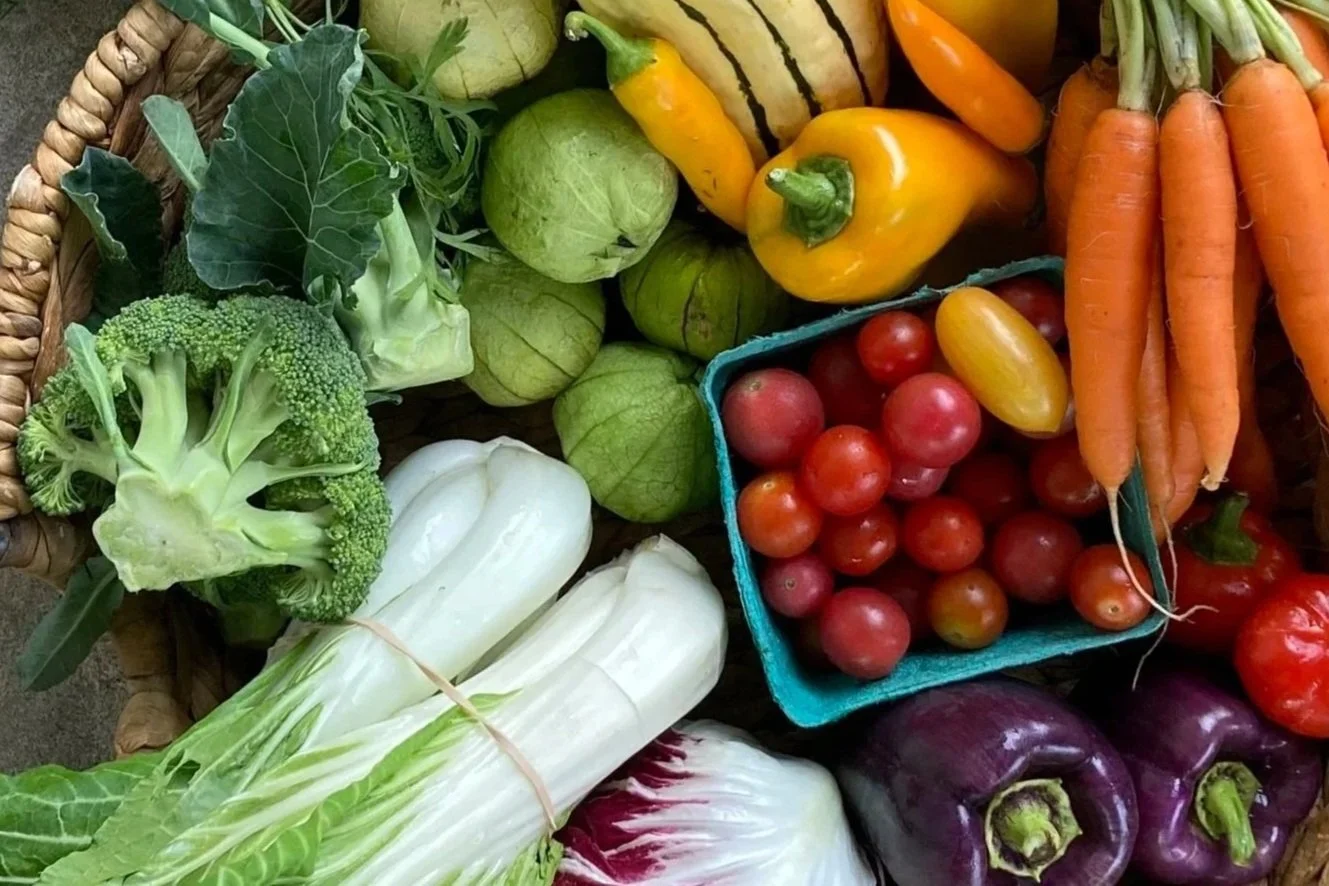
Colour is an essential part of our lives.
Our personal responses to colour are complex.
Living in Colour Quiz
Colour Diary
Surrounded by Colour

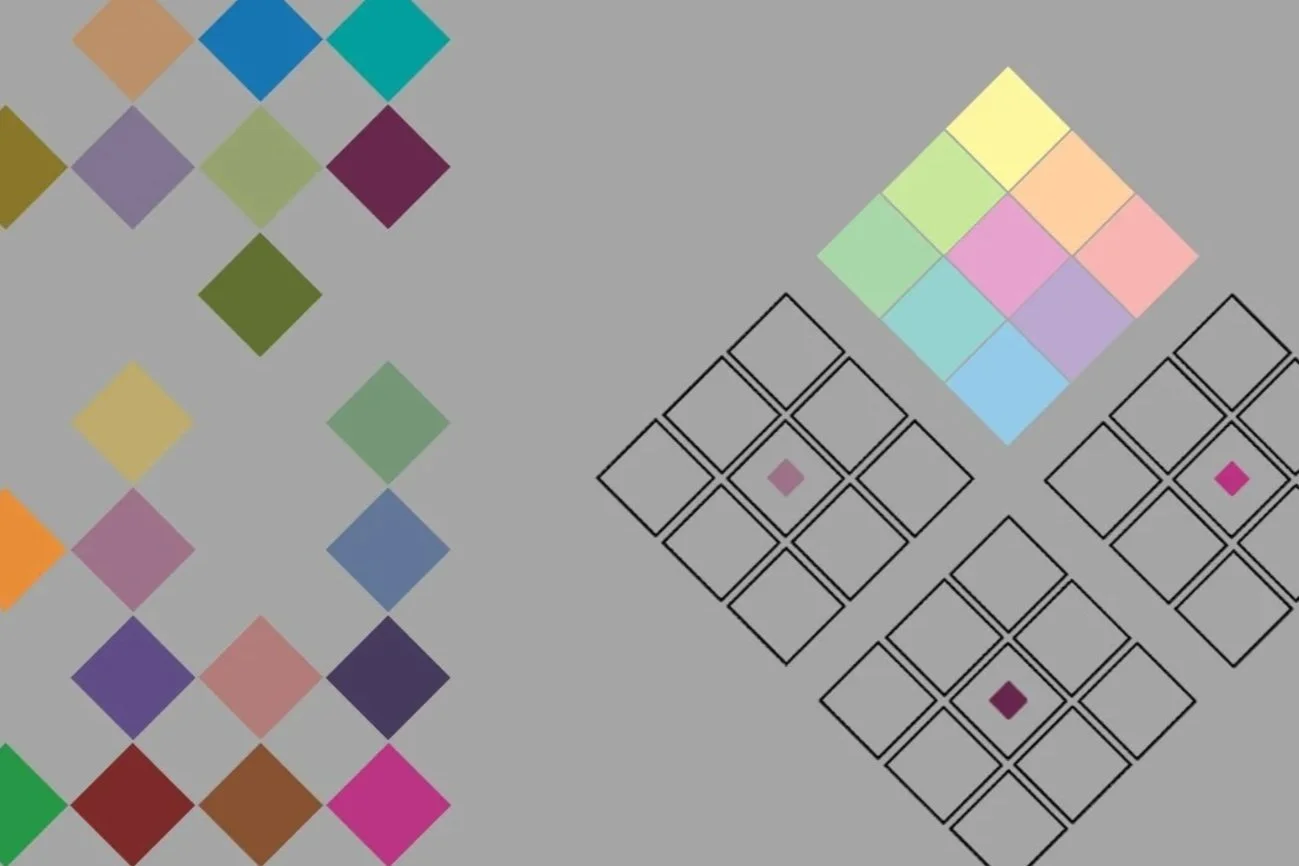
Colours can be described by their hue family and character.
Colour organization is 3D.
Characters Sort
Hue Families Model
Household Sort
Odd One Out


Light is key for colour.
Colour is a perceptual experience.
Colours are contextual.
Afterimages
Blind Spot
Koffka Ring
Munker-White
Changing Spatial Contexts

Mixing results depend on the process.
Colour character communicates more than hue.
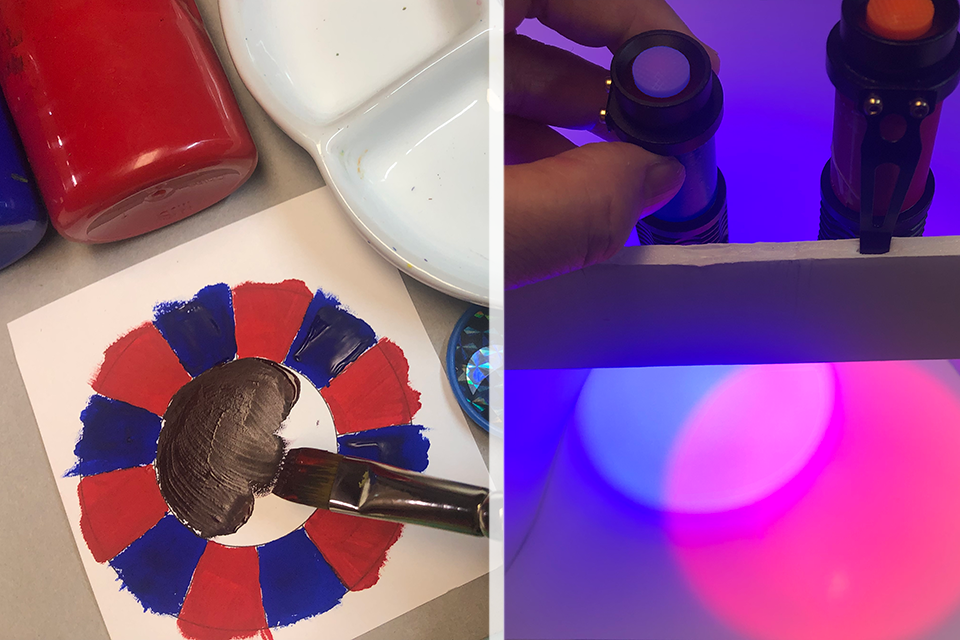
Compare Red+Blue Mixing Processes
Character Associations
Colour/Emotion/Faces.
Subtractive Mixing Media
PATHWAY C
Colour Impact
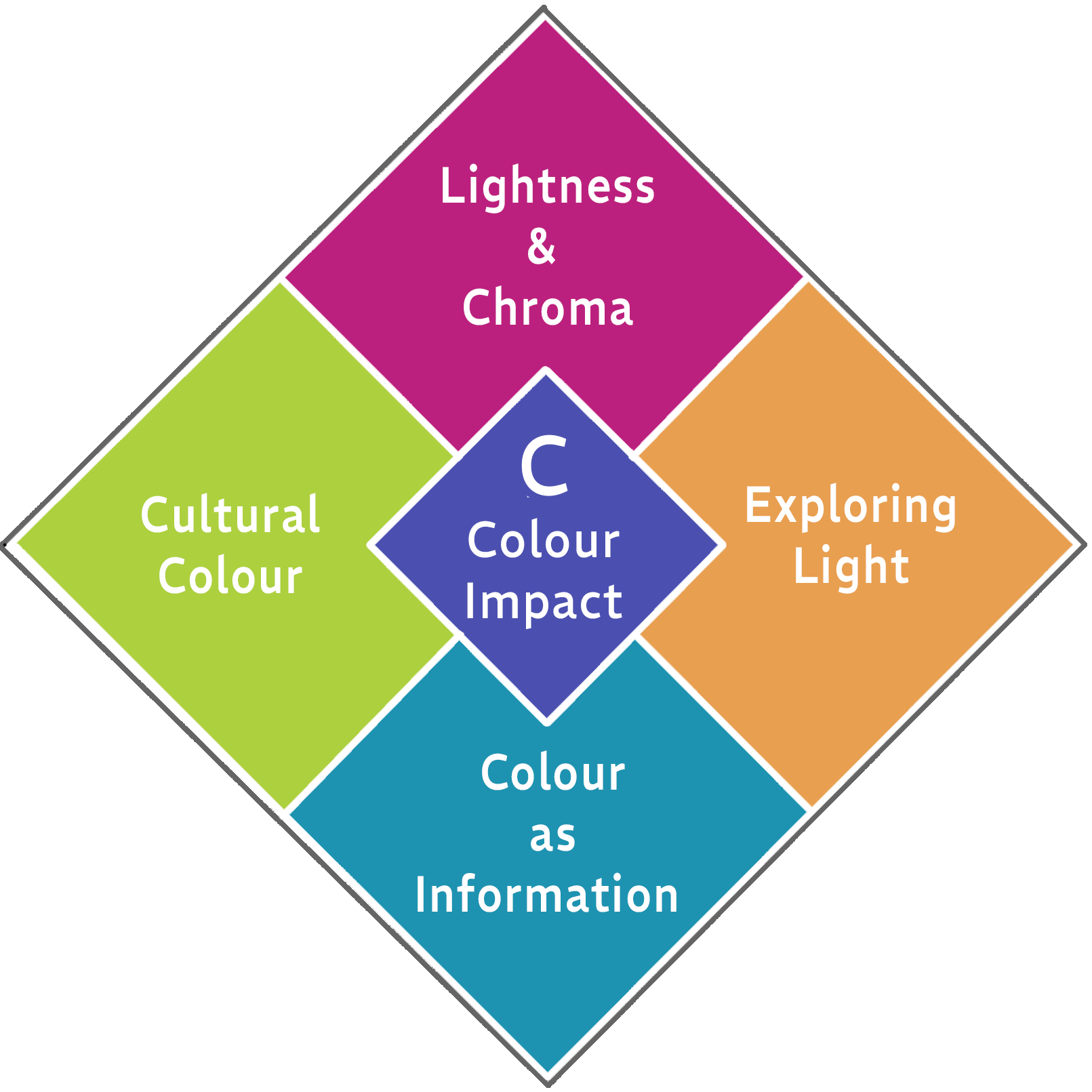
This pathway investigates the role of colour in our lives and how colours can impact people in various ways. The exercises cover a broad range of disciplines, focused on how colour can influence us physically, emotionally, socially, and culturally.
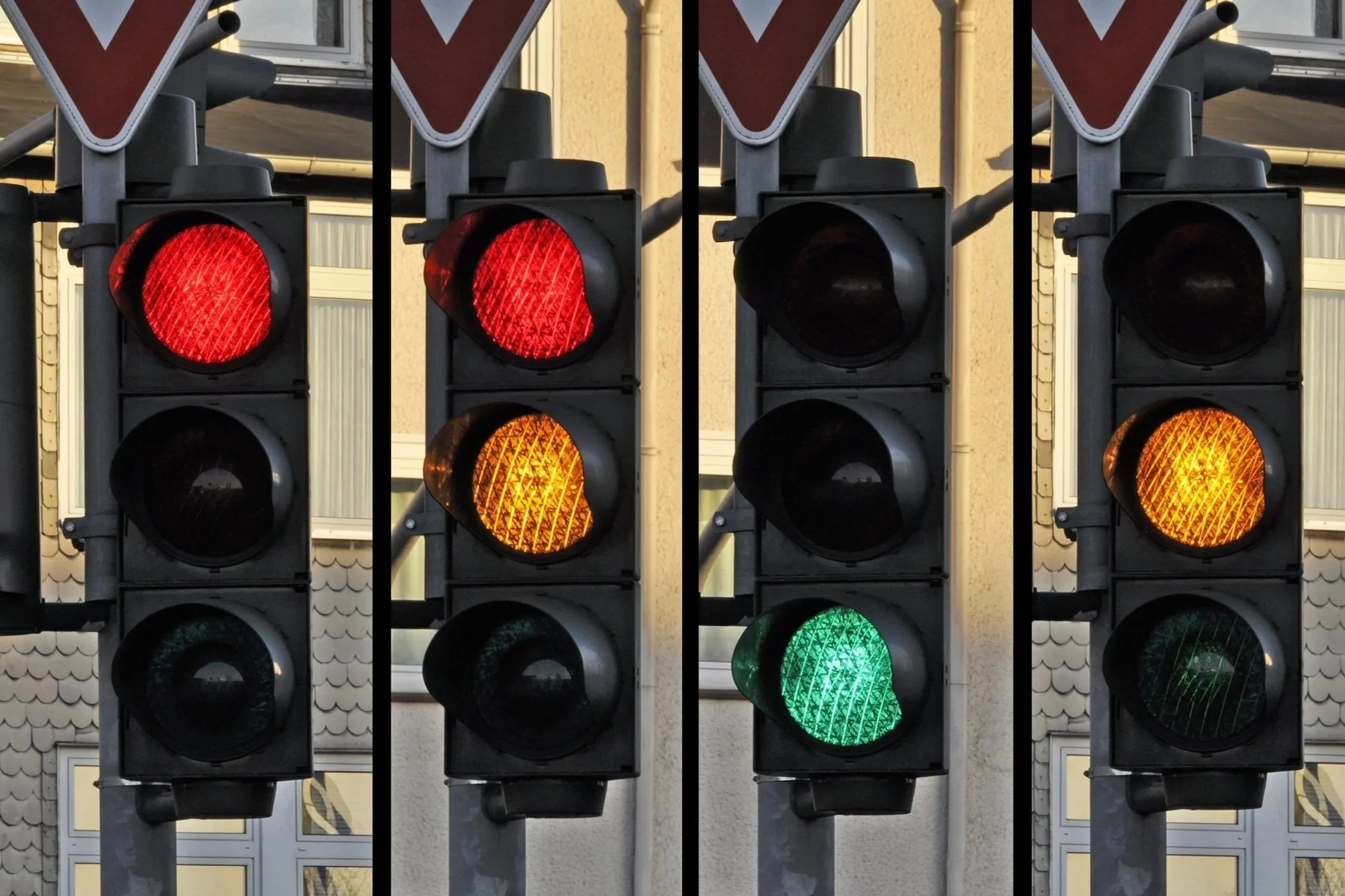
Topics include understanding how colours carry different meanings across different cultures, investigating how colours are used in logos, advertisements, and marketing to convey specific messages and exploring how colour choices in design can affect accessibility, especially for people with visual impairments.
The hands-on exercises below are focused on recognizing the impact of colour in our lives and exploring colour’s potential as a non-verbal communication tool. Key exercises are bolded. Supplementary exercises are italicized. The exercises can be connected in many ways depending on time and resources.


Colour is an essential part of our lives.
Our personal responses to colour are complex.
Changing Colours of Nature
Flag Exercise
Colour in Culture


Colours can be described by their hue family and character.
Colour organization is 3D.
Achromatic vs Chromatic
Lightness/Value Sort
Chroma Sort
Lightness/Chroma Model


Light is key for Colour
Colour is a perceptual experience.
Examining the Spectrum
Expanding the Spectrum
Non-Spectral Colours
Coloured Light Sources
Simple Additive Mixing

Character communicates more than hue.
Mixing results depend on the process
Colour/Emotion/Faces.
Compare Blue and Yellow Mixing Processes
Squares and Diamonds
CLP Colour Fundamentals
‘Deep Dive’ Pathway
UNDER DEVELOPMENT
Applying 21st century colour skills and knowledge


Colours can be described by their hue family and character.
Colour organization is 3D.

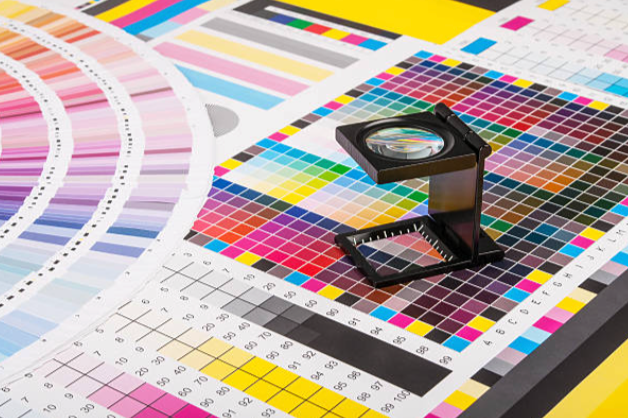
Mixing results depend on the process.
NOTES:
1. The exercises can be done back to back or mixed and matched depending on where colour fits into your curriculum planning.
2. All the exercises can be modified to make them age appropriate for your students. We welcome your suggestions for variations on the exercises depending on age and abilities.
3. We encourage you to share how you expanded on/customized the exercises for your students.
See FAQ entry: Can the exercises be adapted for students with limited colour vision?