Helpful for teaching in the classroom
These sites contain information and approaches for bringing an expanded view of colour into your classroom – from Foundational to Post-secondary levels.
Arts & Design

Schwarz, A. 2022. Color Literacy.
-
“How do you teach color in art class? On this page you will find articles with many aspects that revolve around this central question. In addition, information is provided about the history of dealing with color and color material in art classes.” English translations from German of some of Andreas Schwarz’s excellent contributions to colour education.
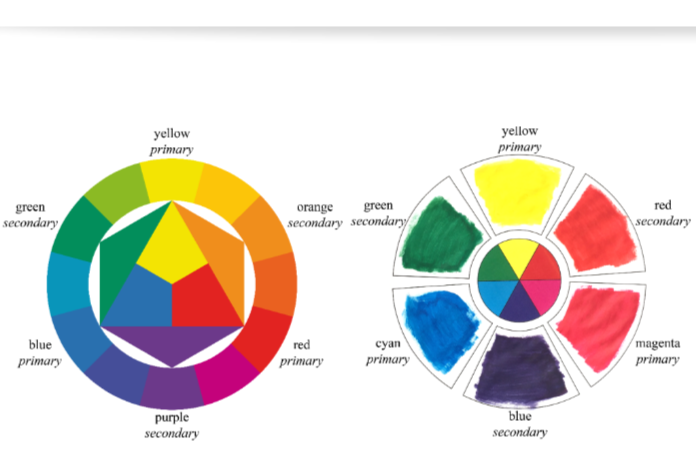
Dodgeson, N. 2019. Did your primary school teacher lie to you about colour?
-
Blog post that summarizes problematic concepts behind mixing and ‘primaries’, and contains a link to the author’s Journal of Perceptual imaging article ‘What is the “Opposite” of “Blue”? The Language of Color Wheels’ where the author gives a historical overview of mixing and Basic Colour Terms, which have led to many of today’s misconceptions of colour.
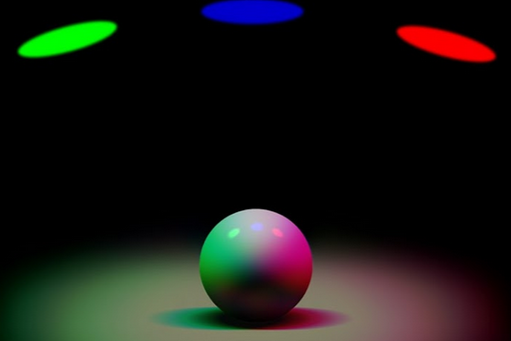
Briggs, David J.C. 2007-2025. The Dimensions of Colour
-
Focuses on aspects of colour science most applicable to painters, beginning with the standard attributes of perceived colour. Later sections discuss light and shade, additive, subtractive and paint mixing, historical and modern hue scales, and depiction of visual appearance. Extensive references and glossary.
Sciences
VIDEO: Kirchner, E. 2024. What does ChatGPT know about science?
-
“Sure, ChatGPT is amazing. But what does it know about science? I asked 8 simple questions about color science. The video shows that the answers are very wrong.”
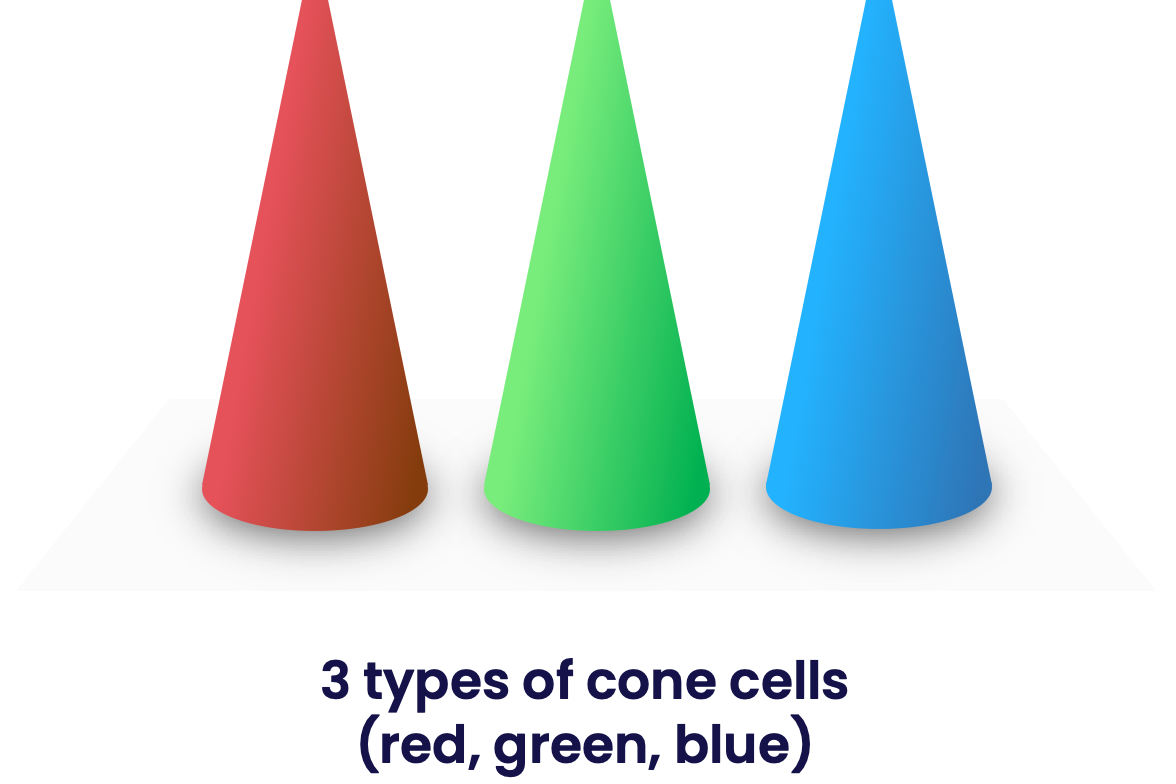
Briggs, D. 2018. The Youtube Theory of Colour Vision
-
Blog entry for the ISCC Hue Angles column.
Examines how the seemingly harmless simplification of referring to “red, green and blue cone cells” inspired a suite of misconceptions that have become entrenched in popular explanations of colour vision, for example inThis Is Not Yellow (Michael Stevens, 2012) and Colour Mixing: The Mystery of Magenta (Steve Mould, 2013). Unfortunately the model has infected some otherwise reliable resources, including Pixar in a Box's Color Science (Dominic Glynn) and several videos by Technology Connections (Alec Watson).
Chudler, E. Neuroscience for kids.
-
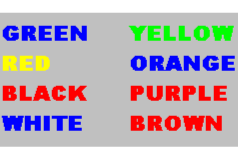
A search for ‘color’ using their search engine leads to many interesting links for classroom activities and experiments, including afterimages, synesthesia and whether the color of food impacts its taste.
Multisense Synaesthesia Research lab, Synesthesia Toolkit for Teachers
-
Professor Julia Simner and colleagues at the University of Sussex have developed a resource site for educators, parents and researchers about synaesthesia in the classroom.