Deep dive
Expand and intensify your knowledge of colour with these resources which are (reasonably) free of the common misconceptions about colour
Arts & Design

Briggs, David J.C. 2007-2025. Colour Online
-
Outstanding collection of about 500 colour-related links on topics comprising Basic Colour Attributes, The Physical Basis of Colour, Colour Vision, Light Mixing Processes, Colorants and Colorant Mixing, Colour Order Systems, Digital Colour Technology, Colour in Art and Design, History of Colour Studies, Colour Education and Further Information.
Douma, M., curator. Color Vision & Art.
-
Website showcases how artists have approached colour through history. Accessible overview of colour perception, including opponency, and how artists have incorporated scientific findings in their works.
MacEvoy, B. 2000-2025. Handprint.
-
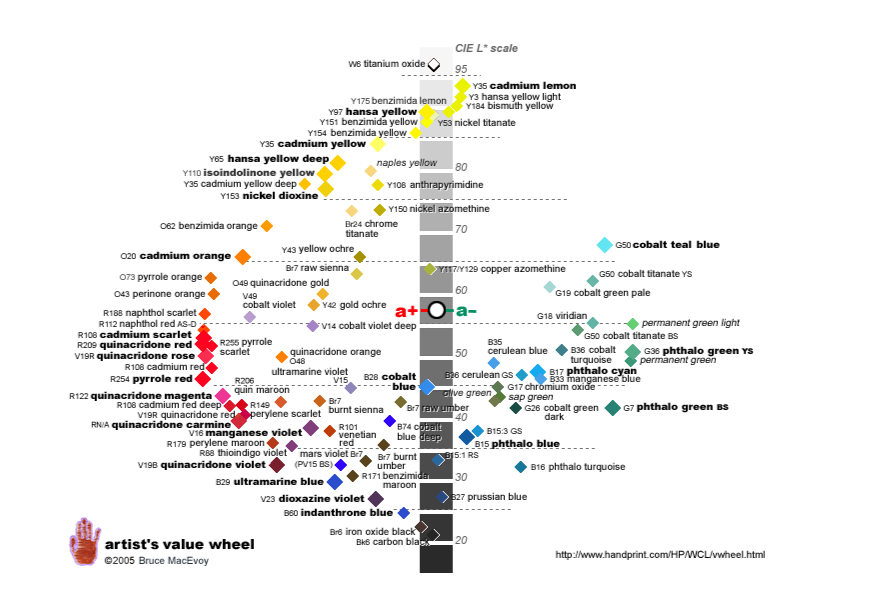
This is the most complete online discussion of all aspects of colour science. Good explanations and illustrations, and very good discussion of many misconceptions. Not faultless but thought-inspiring. An extremely useful reference at advanced levels.
Myers, D. 2013-16. Color of Art Pigment Database.
-
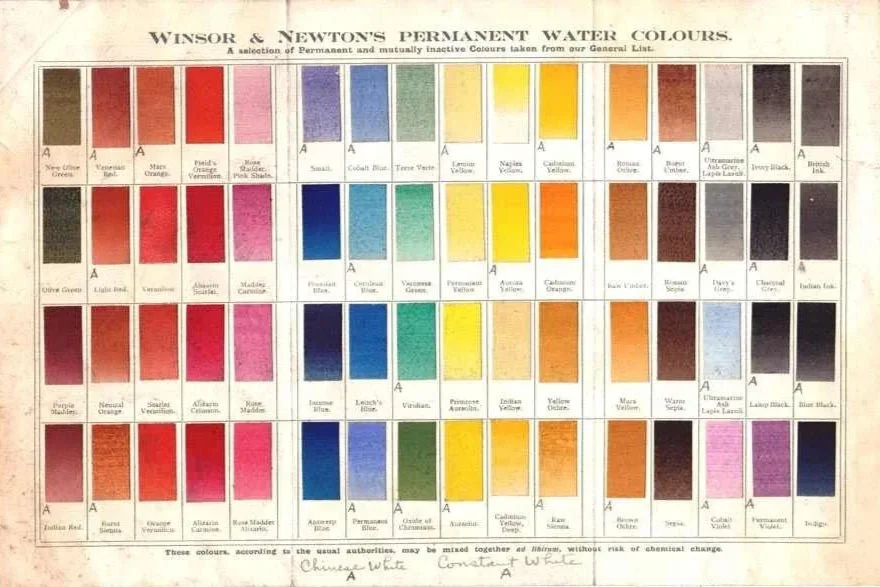
An Artist’s Paint and Pigment Reference with Color Index Names, Color Index Numbers and Chemical Composition
Sciences
Commission Internationale de L’Eclairage (CIE), 2012-25 Online version of the International Lighting Vocabulary.
-
The CIE International Lighting Vocabulary, first published in 1938 and revised periodically since then, gives definitions for more than 1400 terms and is by far the most comprehensive and authoritative source on the scientific terminology of light and colour. Although previously very expensive and limited in distribution, it is now freely available online.
Mollon, J. D. 2003. The origins of modern color science. From Shevell, S. (Ed) Color Science, Optical Society of America, Washington
-
Excellent chapter on the history of colour science after Newton.
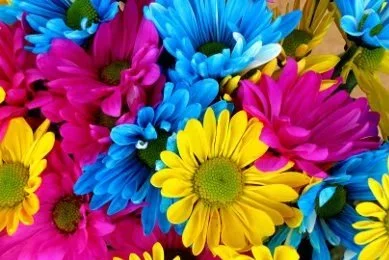
Renoult, J.P. and Valeur. B. 2016. The Colours of Life.
-
Excellent overview of the colour chemistry and chromatic functions in our natural world.
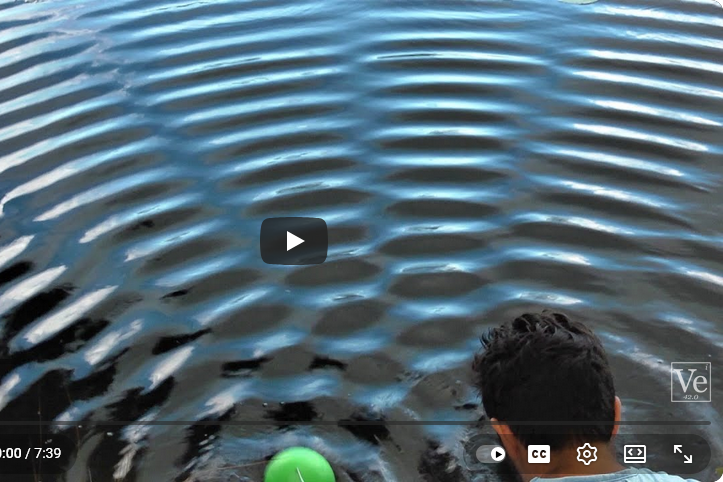
VIDEO: Veritasium. 2013. The Original Double Slit Experiment.
-
Excellent and highly accessible demonstrations and clear explanations of interference and the results from the classic double-slit experiment.
Also check out the related video: How To Make Colour With Holes which discusses interference and colour.
VIDEO: Veritasium. 2024. Why It Was Almost Impossible to Make the Blue LED
-
Engaging history of LED technology and the development of blue-coloured LEDs and how they work. Effective visuals help communicate complex scientific ideas.
VIDEO: Veritasium. 2024. What They (Probably) Don't Teach You About Rainbows At School.
-
Excellent and comprehensive explanation of how rainbows work. Many explanations for rainbows are superficial, and Veritasium conveys the underlying physics with stunning demonstrations and visualizations.
Perception
-
Outstanding webinar on the basics of human colour vision, individual differences in how we see colour, and the Implications of these individual differences for colour discrimination and colour appearance.
Kitaoka, A. Akiyoshi's illusion pages
-
Very extensive collection of original illusions by Professor Akiyoshi Kitaoka, continually updated since 2002. Recent additions also include numerous images and videos of most major colorimetric colour spaces.
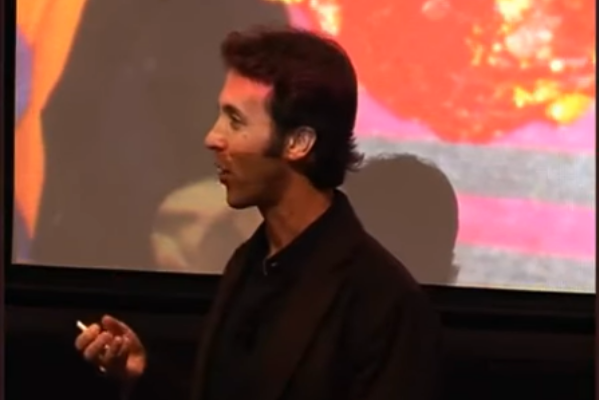
VIDEO: Eagleman, D. 2009. Synesthesia: Hearing Colours, Seeing Sounds.
-
Part 1 of Lecture by neuroscientist David Eagleman, on the neuroscience, behaviour and genetics of synesthesia. Although the video is several years old, it still gives an excellent overview of synesthesia research.
Click to watch Part 2 of the lecture.
Philosophy

Maund, B., 2018. Color. (Stanford Encyclopaedia of Philosophy).
-
Overview over philosophical schools/perspectives including the phenomenological one which is of importance for our approach.

Research Groups
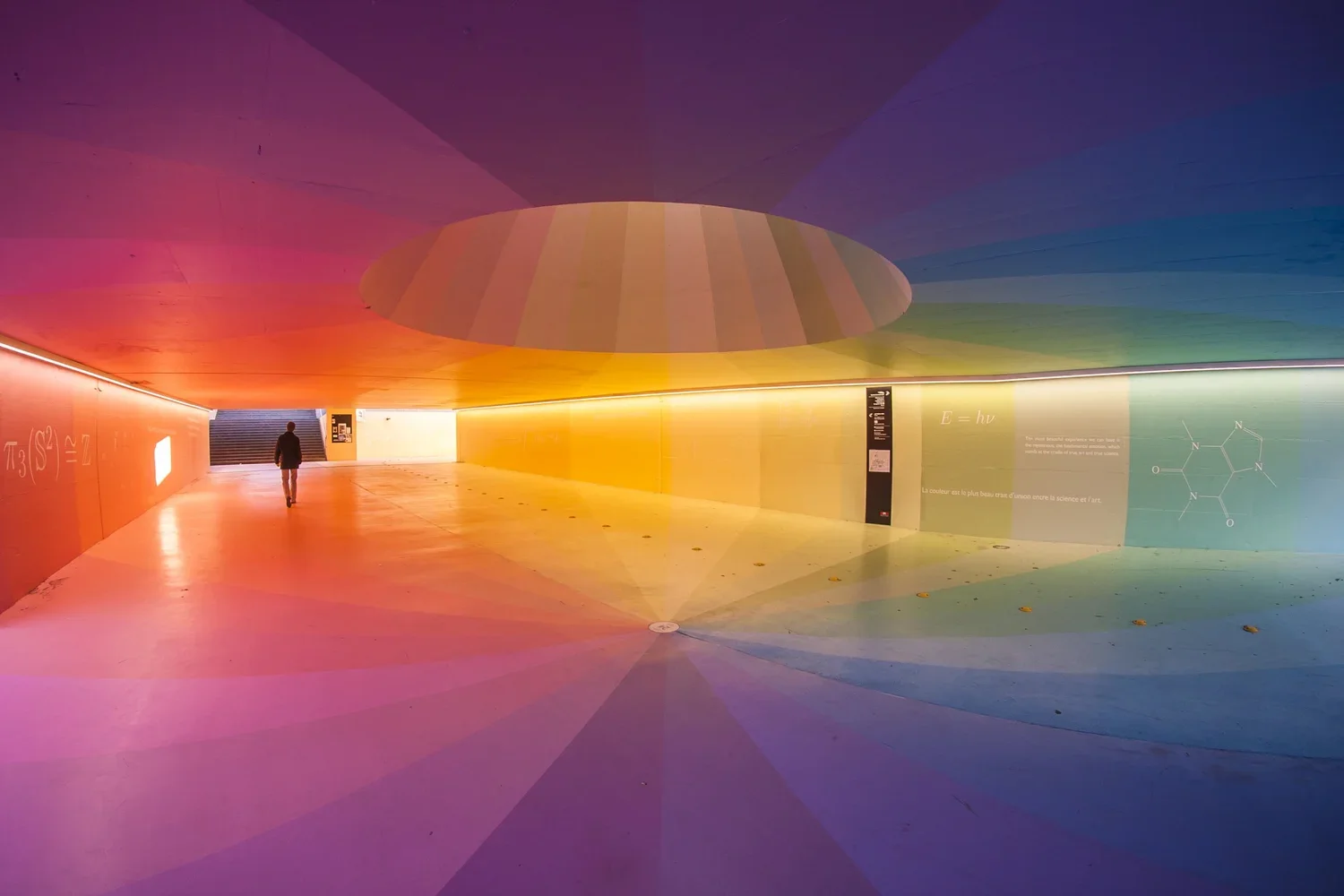
University of Lausanne, Institute of Psychology, Colour Experience Lab.
-
“We are a team of dedicated researchers who work on the description and causality of colour-affect relationships. The public domain provides numerous ideas how colour affects us, and how we could and should use colour to our psychological benefit. When digging into the research literature, we realised that empirical evidence for most claims in colour psychology is missing.”
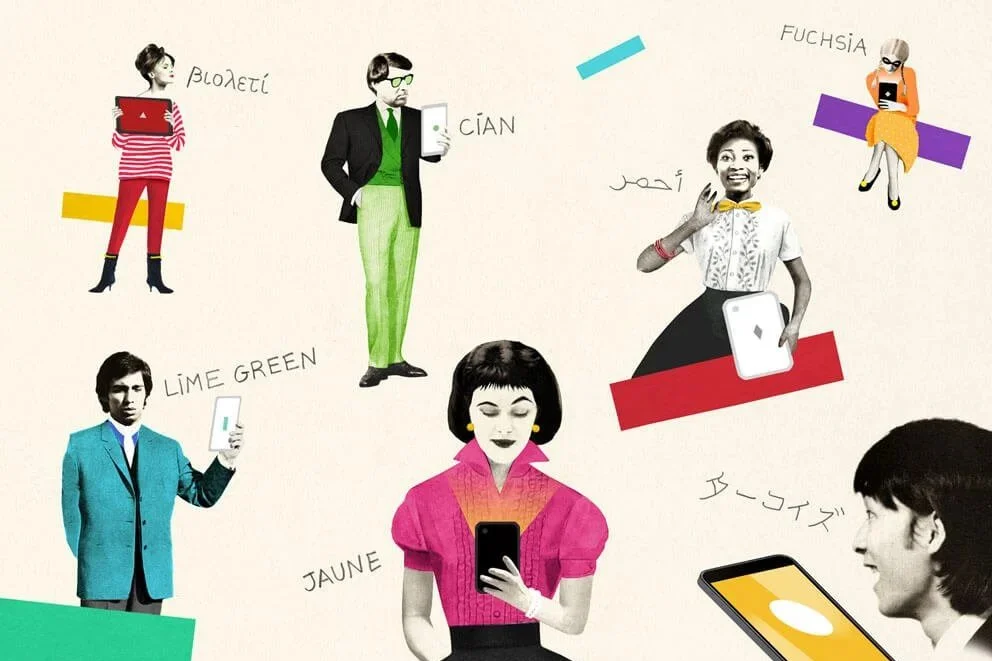
University College London, Colour Naming Experiment.
-
“Colour Naming” is an online experiment designed to collect colour names in multiple languages with their corresponding colour ranges. Principal investigator: Dimitris Mylonas
University of Sussex, School of Psychology, Baby Lab.
-
“The Baby Lab, headed by Anna Franklin, is comprised of a team of researchers who aim to understand how babies and children see, think and learn about colour. Babies, children and parents are invited to visit the lab to take part in fun studies.“
University of Nevada, Reno. Visual Perception Lab.
-
“The Visual Perception Lab examines the neural and cognitive processes underlying how we see, and how these processes are shaped and calibrated by mechanisms of sensory adaptation.”
University of Washington, School of Medicine. Neitz Lab.
-
“The Neitz lab focuses on the mechanisms of color vision. Here you will have the opportunity to learn more about color vision if you are new to the field, learn about some of our current research if you are a color-vision veteran, or just browse through.”
University of Sussex, Synaesthesia research.
-
“Synaesthesia is a joining together of sensations that are normally experienced separately. Studying synaesthesia may help us to understand how the brain segregates and integrates different sensations and thoughts.” Excellent site by one of the leading research teams in synaesthesia. Site includes an up to date FAQ about synaesthesia, links to talks and references, and an online test if you think you might be a synaesthete.
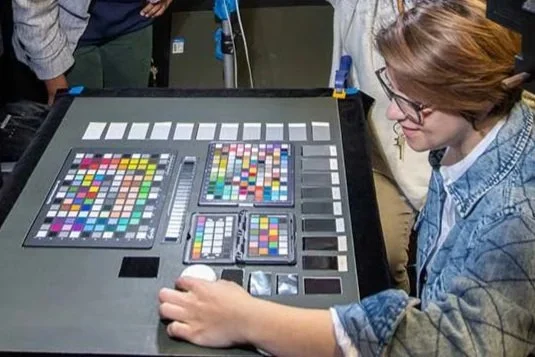
Rochester Institute of Technology, Program of Color Science. Munsell Color Science Laboratory.
-
“The Munsell Color Science Laboratory and the Program of Color Science unite to form one of the world‘s foremost color science research and education organizations. Their mission is to provide world-class education, research, and outreach in all areas of color science.”

KU Leaven. Light & Lighting Laboratory
-
“The Light and Lighting Laboratory houses a dynamic and interdisciplinary research group focused on advancing the field of lighting technology. With four dedicated research units, they cover a wide range of topics including indoor lighting, metrology, optical design, appearance & perception. Their research encompasses areas like energy efficiency, quality of light, color rendition, optical simulations, precise light measurements and visual perception.”
Architectural Association School of Architecture, London. Saturated Space.
-
“Saturated Space is a platform for the sharing, exploration, & celebration of colour in Architecture, Design and Urbanism…. it takes a comprehensive look at the “grammar” of colour, the history of colour in architecture, the perceptual and phenomenological principles of colour in relation to the human subject, the material science of colour, and the socio-political aspects of colour as a culturally active agent.”